- A+
Introduction
Devices are an essential part of our daily lives, as they help us work, play, and stay connected. However, installing drivers for these devices can often be a hassle. If you're looking for a hassle-free way to install drivers for your device, this article is for you.
Step 1: Identify Your Device
The first step in installing drivers for your device is to identify your hardware. This can usually be done by checking the device's user manual or by visiting the manufacturer's website. Once you've identified your device, download the appropriate driver from the manufacturer's website.
Step 2: Uninstall Old Drivers
Before installing new drivers, it's important to uninstall any old drivers that may be on your computer. To do this, go to Device Manager (which can be found by searching for it in the Start menu). Find the device you want to uninstall drivers for and right-click on it. Select "Uninstall" and follow the prompts to complete the process.
Step 3: Install New Drivers
Once you've uninstalled the old drivers, it's time to install the new ones. This can usually be done by double-clicking on the downloaded driver file and following the prompts. If the driver doesn't install automatically, you may need to manually install it using Device Manager. To do this, right-click on the device in Device Manager and select "Update driver." Choose the option to browse your computer for the driver file and navigate to the location where you downloaded it.
Step 4: Restart Your Computer
After installing new drivers, it's always a good idea to restart your computer. This ensures that the new drivers are properly loaded and will function correctly. Additionally, if you're having issues with your device, a restart may help resolve the problem.
Troubleshooting
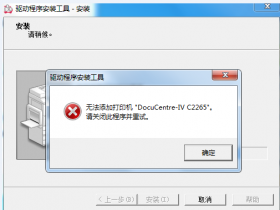
If you run into issues during the installation process, here are a few tips to help you troubleshoot:
Make sure you've downloaded the correct driver for your device and operating system.
Disable any antivirus or firewall software temporarily during the installation process.
Try installing the driver in compatibility mode if it's an older driver designed for an older version of Windows.
If you're still having issues, contact the manufacturer's support team for assistance.
Conclusion
Installing drivers for your device doesn't have to be a hassle. By following these simple steps, you can ensure that your hardware is up-to-date and functioning properly. If you run into any issues, don't hesitate to contact the manufacturer's support team for assistance.