- A+
Introduction
Printers are an essential component in today's world of technology. They are used in various fields, such as schools, offices, businesses, and even homes. Printers come with their specific drivers, which need to be installed on the computer to enable the device to function correctly. However, the majority of printer drivers are manufactured in foreign languages, making it challenging for non-native speakers to operate the printers efficiently.
The Problem
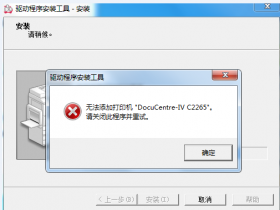
While printer drivers have different languages, English has become the standard language for communication, especially in the technology industry. This makes it difficult for non-native speakers to navigate through the printer driver software and configure settings or troubleshoot errors. The challenges increase for users who have no knowledge of the language at all. It is frustrating and time-consuming for such individuals to translate the text or consult translation services to understand the language used. Hence, there is a need for automatic transformation of printer drivers to English.
The Solution
The good news is that software developers have created solutions to cater to users who face this problem. Automatic transformation of printer drivers to English has been developed using technologies like artificial intelligence and machine learning. These technologies allow software to recognize and translate text from different languages to English. By automating the process, users can avoid tedious manual translations and troubleshoot problems quickly.
How it Works
Automatic transformation of printer drivers to English products uses optical character recognition (OCR) to identify and translate text from the printer driver software. OCR software scans the document and converts it into machine-readable format through pattern recognition. The converted text is then processed by the translation software, which translates the text into English. The final output is provided to the user in a simple and easy-to-understand format.
Benefits
The benefits of automatic transformation of printer drivers to English are numerous. Firstly, the tool removes language barriers for non-native speakers, making it easy for them to operate the printer. Secondly, the tool reduces time spent on manual translation, enabling users to troubleshoot printer driver issues faster. Thirdly, the tool provides an accurate translation of the printer driver software, ensuring that users do not misinterpret or misunderstand crucial information.
Conclusion
Automatic transformation of printer drivers to English has revolutionized the way individuals operate printers. This solution enables non-English speaking users to use the printer efficiently without requiring any specialized translation services. With the widespread adoption of this tool, it is expected that printer drivers will become more accessible to a broader audience. The implementation of this tool has made it clear that automation is the future of technology and has provided a platform for software developers to design more effective solutions that cater to language barriers in the technology industry.